telomeres
Every day, your body replaces aging cells, guided by the genetic instructions in your DNA. Protecting that DNA are tiny caps called telomeres, which gradually shorten as we age, affecting our body's ability to renew itself. At JOIIYA, we explore the fascinating science of telomeres and clinical research demonstrating how nutrients such as selenium and CoQ10 can help preserve these protective caps, supporting healthier aging and longevity..
I’m sure you know that your body contains trillions of cells, and throughout your life, they are constantly being replaced as they age.
In fact, every time one of your cells divides, the genetic instructions contained in your DNA are copied into new cells, ensuring they preserve the unique genetic information that makes you who you are.
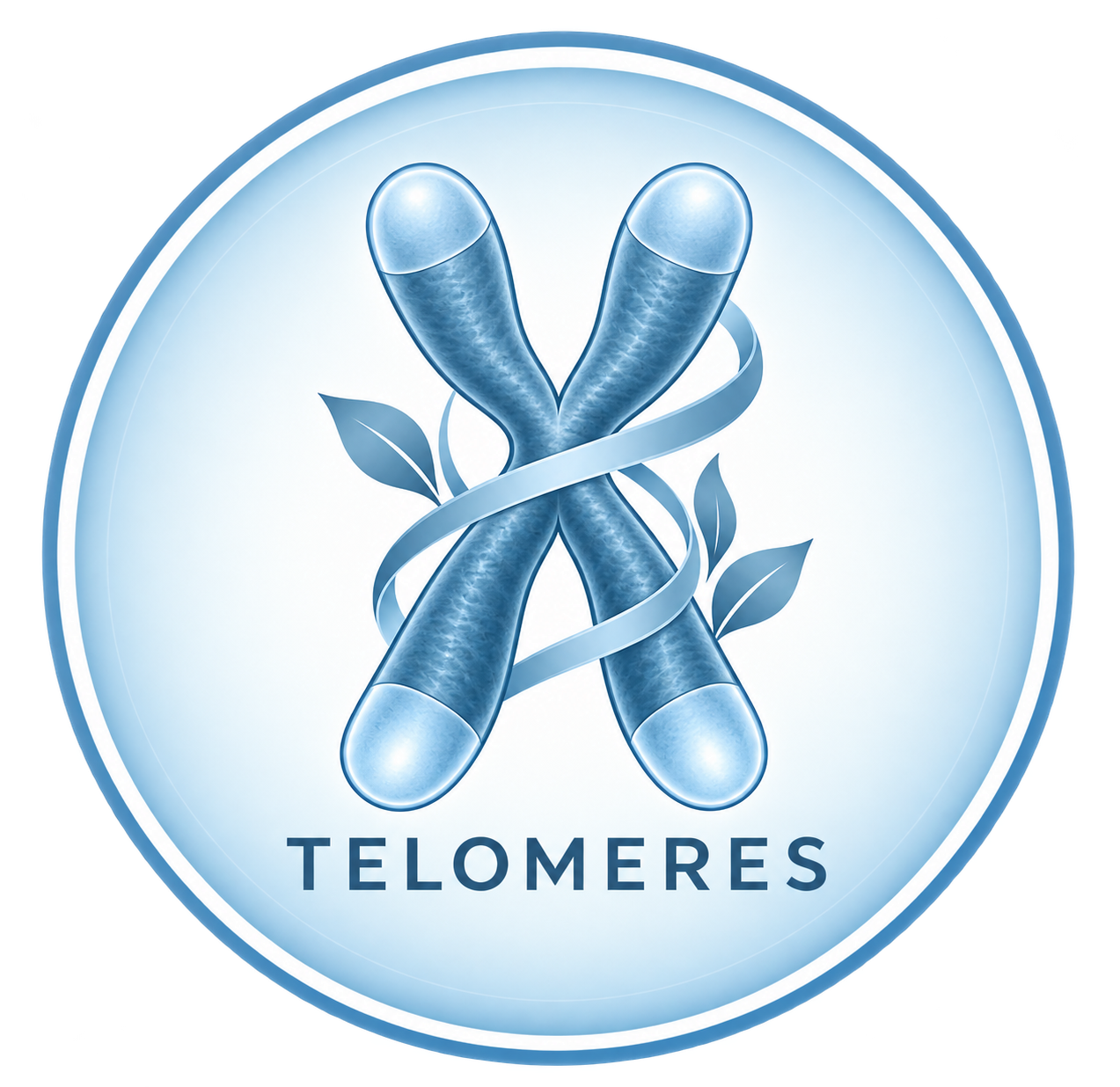
Your DNA is organized into structures called chromosomes, which carry the genetic instructions your cells need to grow, function, and reproduce.
What’s really amazing is that at the ends of your chromosomes are tiny protective caps called telomeres. Think of the plastic tips on your shoelaces, these telomers ensure that your cells accurately produce new, healthy cells to replace aging ones.
When we’re young, our telomeres are long, full-bodied, and healthy.
However, here’s what we talk about at JOIIYA.
Every time one of your cells divides to replace an older cell, whether it’s a skin cell, a brain, a liver cell, or another type of cell, every time you chromosomes make new ones a little bit of the your telomere is used up.
So, ladies, I’m sure you know where this is going
As we grow older, our telomeres become shorter and shorter, … and guess what happens?
Your telomeres lose their ability to divide and replace your old cells properly.
This is seen, for example
- our skin cells are not reproduced correctly and we develop wrinkles,
- our brain cells are not reproduced correctly and we become forgetfulness and forms of dementia may start,
- Our liver cells are not reproduced correctly and we become more susceptbale to various forms of liver disease, so, … essentially
- We see our bodies aging
Eventually, yout telomeres become so short that the cells they protect can no longer divide properly at all your tissues and organs become increasingly vulnerable to age-related disease and, ultimately, organ failure.
But here’s the exciting part.
Scientific clinical studies as shown in the white papers you can read below, have proven, whout any traces of a doubt that we can slow this shortening in remarkable
A you can see from a famous clinical study published in 2022, researchers found that older adults taking a combination of selenium and CoQ10 maintained their telomere length incredibly better than those receiving a placebo.
What is more amazing is that the clinical researchers also found that people whose telomeres shortened, to almost standstill over the five year had better cardiovascular survival, and essentially a much better quality of life